
Studio Stellavato
Designing Montana
vol 2.Designing for the seasons: How to create a Montana home that works in winter and summer.
“A Montana home can't afford to be a one-season wonder. It has to work in January and in July — and feel intentional in both.”
— Nadine Stellavato Brown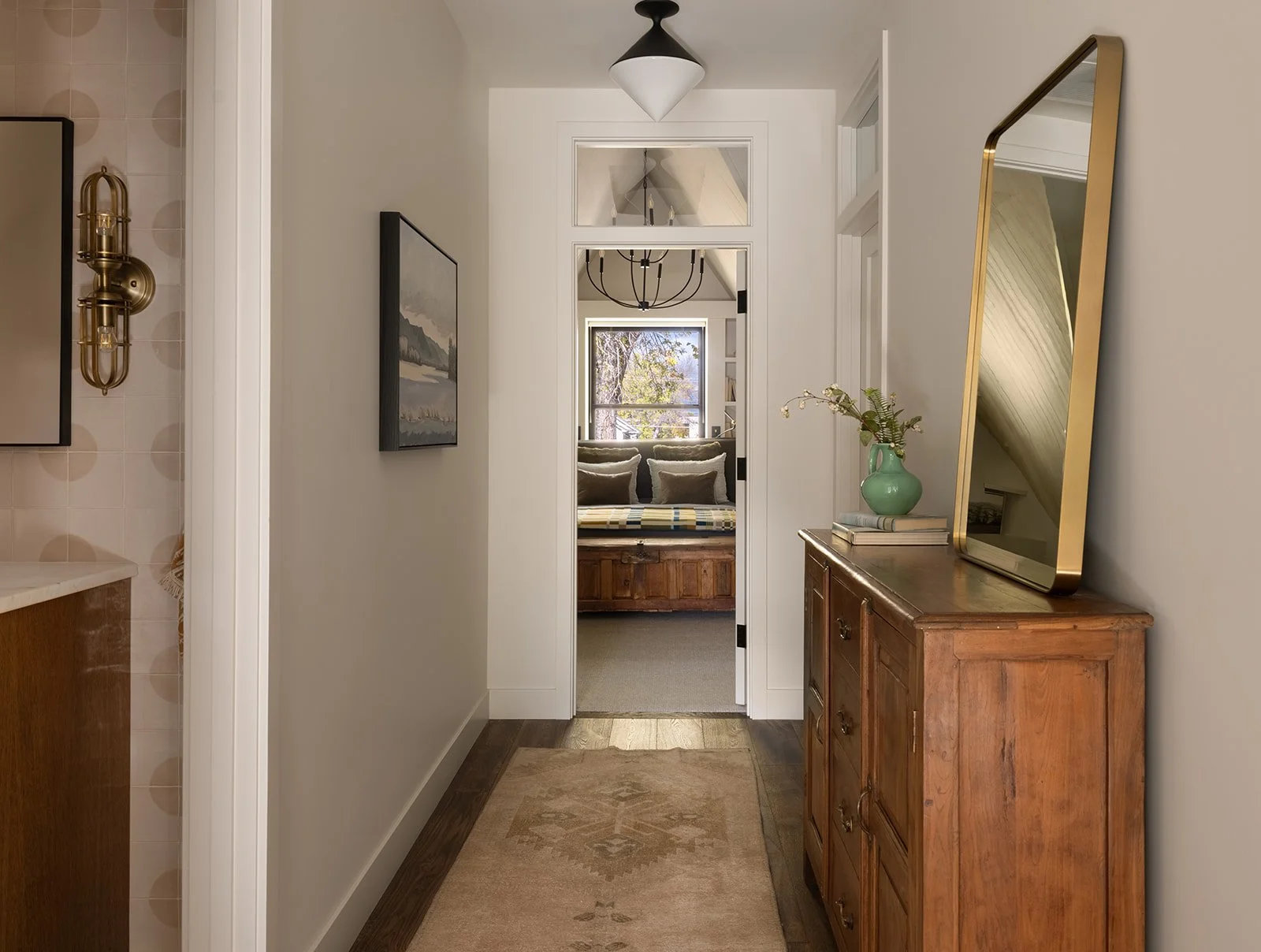
design hackInvest in one great light source per room
In Montana especially, where natural light is either scarce or overwhelming depending on the month, the quality of your artificial lighting matters enormously. Most rooms are over-lit with one flat, overhead source that flattens the space and drains it of warmth. Instead, invest in one really beautiful, statement light per room — a sculptural pendant, a well-placed floor lamp, a pair of sconces that flank a fireplace — and layer from there. Great lighting is the single fastest way to transform how a room feels, in every season, at every hour of the day. It's the detail that makes people walk into a room and immediately feel something, even if they can't say why.
Montana doesn't do anything halfway. Its winters are long, deep, and spectacularly cold — the kind of cold that redefines what the word "cozy" means. And its summers? Short, golden, and so alive they almost feel borrowed. To live in Montana is to live in a relationship with two completely different worlds, separated by a few extraordinary months on either side of spring.
So when I design a home there, that duality is never far from my mind. A Montana home can't afford to be a one-season wonder. It has to work in January, when the snow is three feet deep, and the temperature drops below zero, and it has to work in July, when the light lasts until ten at night and every window is a painting. Getting that balance right — without the home feeling like it's trying to be two different things — is one of the most interesting design challenges I know.
Here's how I think about it.
Start with the bones — they have to work year-roundThe biggest mistake I see in Montana homes is designing for one season and hoping the other takes care of itself. It doesn't. The foundation of a great Montana interior — the materials, the layout, the light strategy — has to be intentionally built for both.
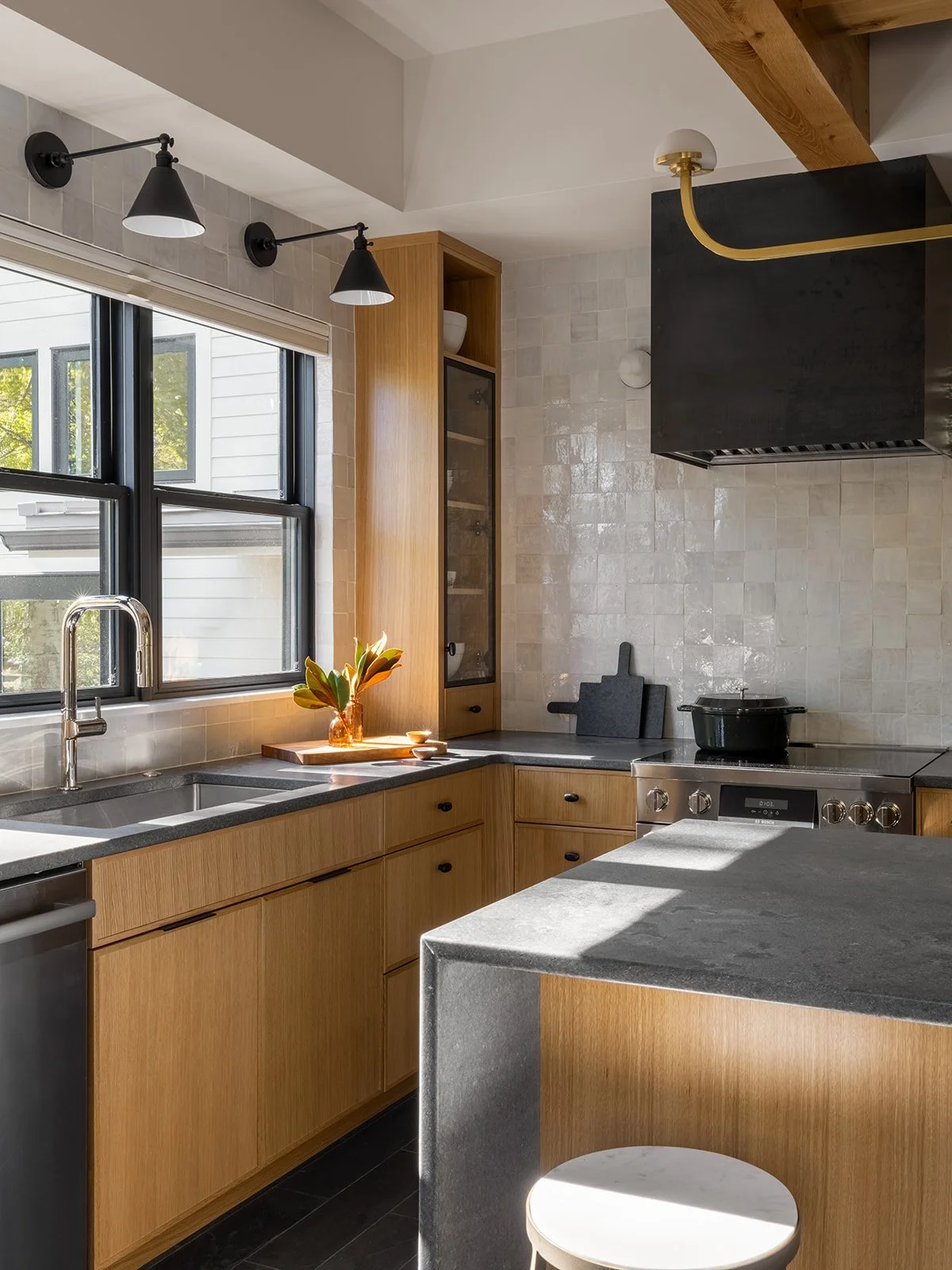
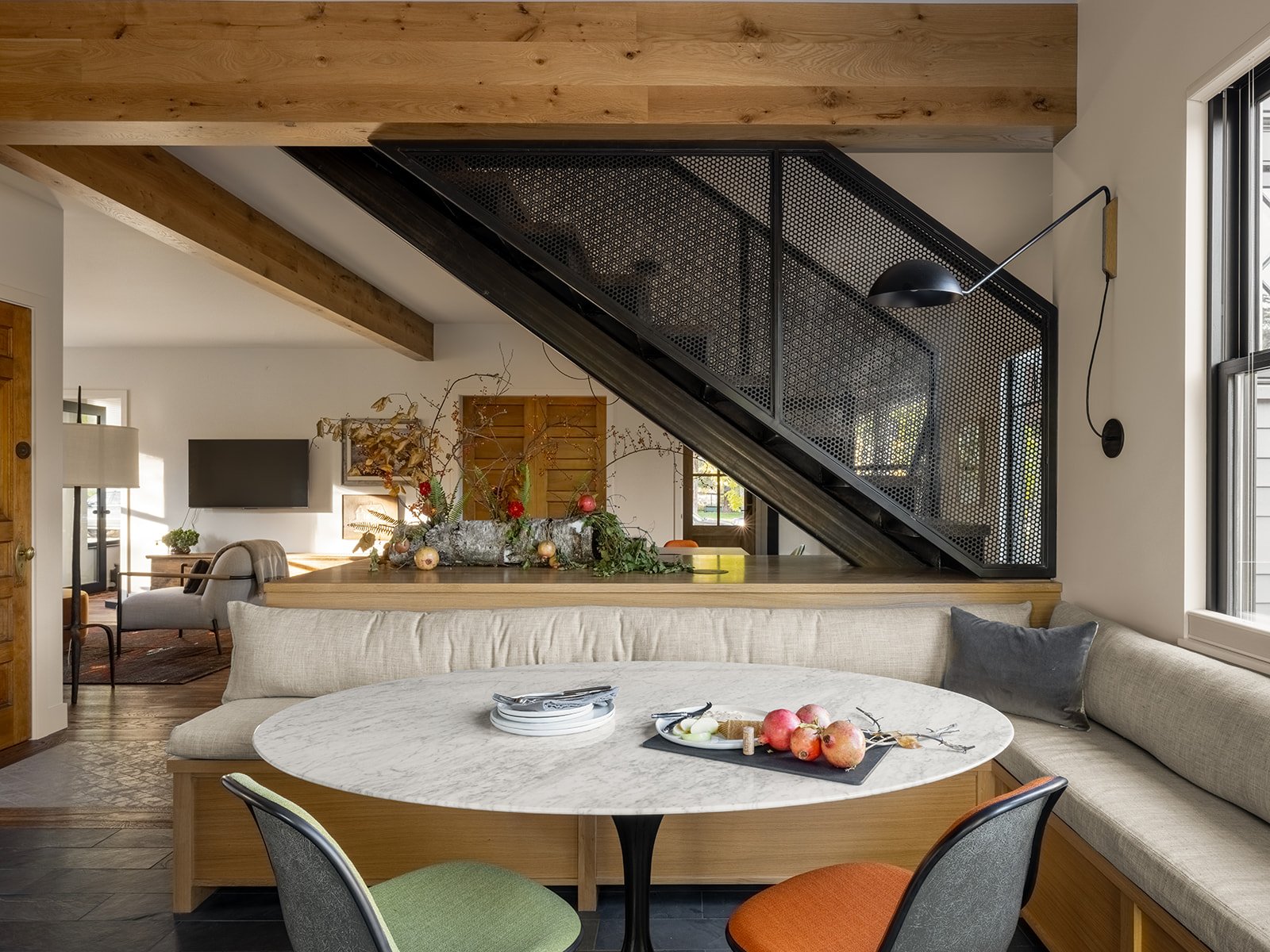
Natural stone, reclaimed wood, and hand-forged metal are my go-to materials, not just because they're beautiful, but because they're honest. They don't fight the landscape — they belong to it. And critically, they age well across seasons. A stone fireplace surround that anchors the room in January becomes a stunning architectural feature in summer when it's not in use. Reclaimed wood beams that feel warm and enveloping in winter feel grounded and organic when the windows are open, and the breeze is moving through. The bones set the tone, and the bones should never feel seasonal.
A Montana home can't afford to be a one-season wonder. It has to work in January and in July — and feel intentional in both.
Let the light be your co-designerMontana's winter light is low, golden, and fleeting. Its summer light is abundant, long, and almost cinematic. Any designer working in this state needs to treat light as a primary design material — not an afterthought.
In winter, you want every room to feel warm and luminous even when the sun sets at four in the afternoon. That means layered lighting — ambient, task, and accent — so you're never dependent on a single source. It means reflective surfaces that bounce what little natural light there is. It means warm-toned finishes on walls and floors that glow rather than absorb. And it means a fireplace that does emotional heavy lifting, not just functional heating.
In summer, the challenge reverses. Montana's long days mean you're managing an abundance of light — and the last thing you want is for your home to feel harsh or overexposed. Thoughtful window treatments that can be drawn back completely in the evening and closed against afternoon glare are essential. I love Roman shades in linen or wool — they disappear when open and add warmth and texture when closed. The goal is a home that invites the summer light in on its own terms.
Design the mudroom or like it's the most important room in the houseIn Montana, it is. This is where winter actually lives. Ski boots, snowshoes, wet gear, muddy hiking boots in summer — the transition space between outside and inside takes a real beating, and if it isn't designed properly, that chaos bleeds into the rest of the home.
A well-designed mudroom is generous, warm, and extremely functional. I'm talking built-in storage with individual cubbies, heated floors so wet gear actually dries, durable stone or tile that handles anything, and enough hooks and benches that the family isn't fighting over space. But it also deserves to be beautiful — because it's the first thing you see when you come in from the cold, and that moment of arrival matters. A thoughtfully designed mudroom tells you that someone cared about every inch of this house, not just the rooms that get photographed.
The indoor-outdoor connection changes everythingIn summer, the best Montana homes practically dissolve the line between inside and out. Large sliding or folding glass doors that open a living room to a covered deck, outdoor kitchens that become the heart of the home during warm months, furniture arrangements that flow naturally between interior and exterior spaces — these are all design moves that make a Montana summer feel like the extraordinary gift that it is.
The key is planning for this in winter, when it's tempting to think of the outdoor spaces as dormant. Every outdoor living area should be designed with a covered element so it extends the season as long as possible — into early fall and even on crisp spring days. And the materials you choose outdoors should echo what's inside, so the home reads as one cohesive environment rather than two separate worlds divided by a glass door.
Let the palette breathe across both seasonsColor is where I see designers make the most season-specific mistakes — going so warm and dark that the home feels heavy in summer, or so light and airy that it offers no comfort in winter. The solution isn't to compromise. It's to layer.
My Montana palette typically starts with a neutral, earthy base — soft stone, warm taupe, deep greens drawn from the forest — and builds from there with textiles and accessories that can shift with the seasons. In winter, I add weight: chunky wool throws, sheepskin rugs, boucle cushions, layered drapes in rich fabrics. In summer, those layers come off, lighter linen slipcovers go on, and the home breathes. The bones stay the same. The feeling adapts. That's the sweet spot.
Montana rewards designers — and homeowners — who are willing to think in seasons rather than snapshots. A home designed only for a winter photoshoot, or only for a summer listing photo, will always feel slightly wrong for half the year. But a home designed to honor the full, dramatic rhythm of Montana life? That's a home that truly belongs there.